
The Faster Way to Fat Loss is a structured‚ four-phase program‚ often accessed via a PDF guide‚ focusing on macro cycling and HIIT workouts for rapid‚ sustainable results․
What is the Faster Way to Fat Loss?
The Faster Way to Fat Loss is a digitally delivered weight loss program‚ frequently distributed as a comprehensive PDF guide․ It’s built around the principle of strategically manipulating macronutrient intake – carbohydrates‚ proteins‚ and fats – through a cyclical approach․ This isn’t a restrictive diet; instead‚ it’s a method designed to optimize metabolic function and encourage efficient fat burning․
The program combines this macro-cycling with a carefully structured exercise regimen‚ primarily utilizing High-Intensity Interval Training (HIIT) and strength training․ Many resources‚ including the core PDF‚ emphasize a phased approach‚ progressing in intensity over time․ It aims for significant results‚ with some plans‚ like the 3-month detox‚ targeting substantial weight loss․
The Core Principles of the Plan
Central to The Faster Way to Fat Loss‚ detailed within its PDF resources‚ is the concept of metabolic flexibility․ This is achieved through strategic macronutrient cycling – varying carbohydrate‚ protein‚ and fat intake on different days․ High-Intensity Interval Training (HIIT) is a cornerstone‚ boosting metabolism and enhancing fat oxidation․
The plan emphasizes a phased approach‚ starting with a “reset” phase and progressing through rapid fat loss‚ shifting‚ and finally‚ a sustainable lifestyle phase․ Utilizing tools like food diaries and apps‚ as suggested in online communities‚ is crucial for tracking․ The PDF often includes meal plans and recipes focused on whole‚ unprocessed foods․
Understanding the Diet Component
The Faster Way to Fat Loss PDF centers around macro nutrient cycling‚ strategically adjusting carbohydrate‚ protein‚ and fat intake daily for optimal metabolic function․
Macro Nutrient Cycling Explained
The Faster Way to Fat Loss PDF details a strategic approach to dieting – macro nutrient cycling․ This involves varying your macronutrient ratios (carbohydrates‚ proteins‚ and fats) on a daily basis‚ rather than adhering to a consistently restrictive diet․ Typically‚ the plan incorporates high-carb days‚ low-carb days‚ and balanced days․
This cycling aims to optimize hormone levels‚ boost metabolism‚ and prevent plateaus often experienced with traditional dieting․ The PDF provides specific guidelines for calculating individual macro needs based on Total Daily Energy Expenditure (TDEE) and protein/fat calorie targets‚ then allocating carbohydrates accordingly․
The Role of Carbohydrate Intake
The Faster Way to Fat Loss PDF emphasizes strategic carbohydrate manipulation․ Unlike restrictive low-carb diets‚ this plan utilizes carb cycling to enhance fat loss and energy levels․ Higher carbohydrate days‚ strategically placed within the weekly schedule‚ replenish glycogen stores and support intense HIIT workouts․
These carbs aren’t unrestricted; the PDF guides users on timing and quantity․ Lower-carb days promote fat burning․ The plan aims to optimize insulin sensitivity and prevent metabolic slowdown․ The document stresses that carbohydrates are not the enemy‚ but a tool to be used effectively for achieving optimal results․
Protein and Fat Consumption Guidelines
The Faster Way to Fat Loss PDF details specific protein and fat intake recommendations‚ crucial for preserving lean muscle mass during calorie deficits․ Protein intake is prioritized to support muscle recovery and satiety‚ preventing muscle loss during weight loss phases․ The guide outlines calculating individual protein needs based on body weight and activity levels․
Healthy fat sources are also emphasized‚ playing a vital role in hormone production and overall health․ The PDF advises on incorporating fats strategically‚ avoiding excessive intake while ensuring adequate levels for optimal bodily functions and sustained energy․
Hydration Strategies for Optimal Results
The Faster Way to Fat Loss PDF stresses the critical importance of adequate hydration for maximizing results․ Water intake supports metabolic processes‚ aids in digestion‚ and enhances workout performance․ The guide recommends a daily water intake target‚ often calculated based on body weight and activity level‚ to prevent dehydration․
Proper hydration also helps manage hunger and cravings‚ contributing to adherence to the diet plan․ The PDF may include tips for incorporating hydrating foods and beverages‚ ensuring optimal fluid balance throughout the day for sustained energy and effective fat loss․
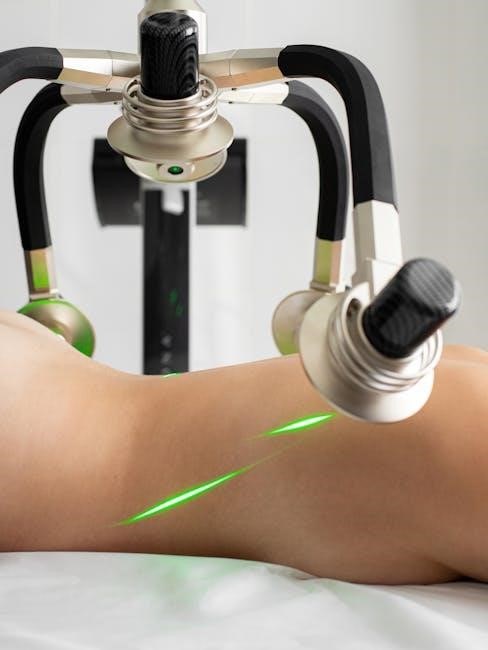
The Exercise Component: HIIT and Strength Training
The Faster Way to Fat Loss PDF combines High-Intensity Interval Training (HIIT) with strength training to boost metabolism‚ preserve muscle mass‚ and accelerate fat loss․
High-Intensity Interval Training (HIIT) Workouts
HIIT workouts‚ detailed within the Faster Way to Fat Loss PDF‚ are a cornerstone of the program‚ designed for maximum calorie burn in minimal time․ These sessions alternate between short bursts of intense exercise and brief recovery periods․ The program’s approach‚ found within the downloadable guide‚ emphasizes efficiency‚ making it suitable for busy lifestyles․
Reddit’s HIIT community actively discusses and shares workout plans‚ aligning with the program’s principles․ The PDF likely outlines various HIIT routines‚ adaptable to different fitness levels․ These workouts are crucial for improving cardiovascular health and boosting metabolic rate‚ contributing significantly to overall weight loss success as outlined in the plan․
Strength Training for Muscle Preservation
The Faster Way to Fat Loss PDF incorporates strength training to counteract muscle loss during caloric restriction․ Preserving lean muscle mass is vital for maintaining a healthy metabolism and achieving long-term weight management․ The program likely details specific exercises targeting major muscle groups‚ ensuring balanced development․
Combining strength training with HIIT‚ as suggested by resources like Reddit’s fitness communities‚ optimizes body composition․ The PDF guide probably emphasizes proper form and progressive overload to maximize results and minimize injury risk․ This component is crucial for shifting the body’s composition‚ building strength‚ and enhancing overall fitness․
Workout Schedule and Progression
The Faster Way to Fat Loss PDF likely outlines a structured workout schedule integrating HIIT and strength training․ Progression is key; the plan probably starts with manageable intensity and gradually increases duration or resistance over the four phases․ This systematic approach prevents plateaus and maximizes results․
Resources suggest a phased approach‚ potentially increasing workout frequency or complexity as fitness improves․ The PDF guide may detail specific weekly schedules‚ incorporating rest days for recovery․ A 12-week plan‚ as found on Reddit‚ exemplifies this structured progression‚ ensuring consistent challenge and adaptation for optimal fat loss․
Adapting Workouts for Different Fitness Levels
The Faster Way to Fat Loss PDF should ideally provide modifications for varying fitness levels․ Beginners might start with lower-impact HIIT variations and lighter weights‚ focusing on proper form․ More advanced individuals can increase intensity‚ duration‚ or resistance․ Scalability is crucial for inclusivity and preventing injury․
The plan likely emphasizes listening to your body and adjusting accordingly․ Modifications could include reducing jump height‚ shortening workout intervals‚ or using resistance bands instead of dumbbells․ The PDF may offer regressions and progressions for each exercise‚ ensuring everyone can participate safely and effectively․

The Four Phases of the Plan
The Faster Way to Fat Loss PDF details a progressive‚ four-phase system – Reset‚ Rapid Fat Loss‚ Shift & Sustain‚ and Live It – for optimal‚ lasting transformation․
Phase 1: Reset & Refuel
Phase 1‚ as outlined in the Faster Way to Fat Loss PDF‚ centers on establishing a foundation for success․ This initial stage prioritizes whole‚ unprocessed foods and gentle movement to recalibrate the body․ It’s a period of detoxification and mindful eating‚ focusing on hydration and reducing reliance on processed sugars and unhealthy fats․
The goal isn’t drastic restriction‚ but rather a strategic shift towards nutrient-dense choices․ This phase prepares the metabolism for the more intense phases ahead‚ emphasizing a balanced approach to nutrition and laying the groundwork for sustainable lifestyle changes․ Expect to feel energized and begin to shed initial water weight․
Phase 2: Rapid Fat Loss
Phase 2‚ detailed within the Faster Way to Fat Loss PDF‚ intensifies the approach‚ aiming for significant fat loss through strategic macro cycling and increased HIIT workout frequency․ Carbohydrate intake is strategically reduced on specific days to encourage the body to tap into fat stores for energy․
This phase isn’t about deprivation‚ but rather a calculated manipulation of macronutrients to optimize fat burning․ Strength training remains crucial for preserving lean muscle mass during this period․ Expect noticeable changes in body composition and increased energy levels as your body adapts to the heightened demands․
Phase 3: Shift & Sustain
Phase 3‚ outlined in the Faster Way to Fat Loss PDF‚ focuses on transitioning from rapid fat loss to a sustainable lifestyle․ Macro cycling continues‚ but with slightly increased carbohydrate intake on certain days to support activity levels and prevent metabolic slowdown․
The emphasis shifts towards building long-term habits and finding a balance that fits your individual needs; This phase encourages mindful eating and continued HIIT and strength training‚ albeit with potential adjustments based on progress․ It’s about solidifying results and preventing rebound weight gain․
Phase 4: Live It
Phase 4‚ detailed within the Faster Way to Fat Loss PDF‚ represents the maintenance stage – integrating the plan’s principles into daily life long-term․ Macro cycling becomes more flexible‚ allowing for occasional indulgences without derailing progress․
Continued commitment to regular exercise‚ including HIIT and strength training‚ remains crucial․ This phase emphasizes self-awareness‚ recognizing hunger cues‚ and making informed food choices․ It’s about establishing a sustainable‚ healthy lifestyle‚ not a restrictive diet‚ ensuring lasting results and overall well-being․

Meal Planning and Recipes
The Faster Way to Fat Loss PDF provides sample meal plans and recipes emphasizing whole‚ unprocessed foods to support macro cycling and achieve optimal results․
Sample Meal Plans for Each Phase
The Faster Way to Fat Loss PDF details distinct meal plans tailored to each of the program’s four phases – Reset & Refuel‚ Rapid Fat Loss‚ Shift & Sustain‚ and Live It․ These plans aren’t restrictive‚ but strategically adjust macronutrient ratios․ Phase one focuses on whole foods and re-establishing healthy habits․ Rapid Fat Loss increases protein and reduces carbohydrates․
Shift & Sustain introduces balanced macro adjustments‚ while Live It promotes long-term maintenance․ Expect examples showcasing breakfast‚ lunch‚ and dinner options‚ emphasizing portion control and nutrient density․ The plans aim to demonstrate how to fuel workouts and support fat loss throughout the entire 3-month journey‚ offering flexibility and variety․
Focus on Whole‚ Unprocessed Foods
The Faster Way to Fat Loss PDF strongly advocates prioritizing whole‚ unprocessed foods as the foundation of the diet․ This means centering meals around lean proteins‚ complex carbohydrates like fruits and vegetables‚ and healthy fats․ The program discourages refined sugars‚ processed snacks‚ and heavily manufactured items․
Emphasis is placed on nutrient density‚ ensuring each meal provides maximum nutritional value․ This approach supports satiety‚ stabilizes blood sugar‚ and optimizes metabolic function․ The guide provides guidance on selecting quality ingredients and preparing meals that align with the program’s macro-cycling principles‚ fostering sustainable healthy eating habits․
Recipe Ideas for Breakfast‚ Lunch‚ and Dinner
The Faster Way to Fat Loss PDF typically includes a variety of recipe ideas designed to align with each phase of the program and its macro-cycling approach․ Breakfast options might feature egg scrambles with vegetables or Greek yogurt with berries․ Lunch could include large salads with grilled chicken or fish‚ and dinner recipes often center around lean protein sources paired with roasted vegetables․
These recipes emphasize simplicity and utilize whole‚ unprocessed ingredients․ The guide aims to provide practical meal solutions that are both nutritious and satisfying‚ supporting adherence to the plan and long-term healthy eating habits․

Tracking Progress and Staying Motivated
The Faster Way to Fat Loss PDF stresses consistent tracking of measurements and utilizing food diaries or apps to monitor intake and stay motivated throughout the plan․
Importance of Tracking Measurements
The Faster Way to Fat Loss PDF emphasizes that consistent tracking is paramount for success‚ extending beyond simply monitoring weight․ Detailed measurements – including inches lost from various body parts – provide a more comprehensive view of progress‚ especially when the scale doesn’t immediately reflect changes․
This detailed approach helps identify areas where the plan is working effectively and where adjustments might be needed․ Regularly recording these metrics fosters accountability and provides tangible evidence of dedication‚ boosting motivation and preventing discouragement․ It’s a crucial component for navigating potential plateaus and maintaining long-term commitment to the program’s principles․
Using Food Diaries and Apps
The Faster Way to Fat Loss PDF strongly advocates for meticulous food logging‚ utilizing either traditional food diaries or‚ preferably‚ mobile applications․ These tools are essential for accurately tracking macro nutrient intake – carbohydrates‚ protein‚ and fats – which are central to the plan’s cycling approach․
Apps simplify the process‚ offering databases for quick food entry and automated macro calculations․ Consistent logging promotes mindful eating‚ revealing hidden calorie sources and fostering greater awareness of dietary habits․ This data-driven approach allows for precise adjustments to meal plans‚ optimizing results and ensuring adherence to the program’s guidelines․
Strategies for Overcoming Plateaus
The Faster Way to Fat Loss PDF acknowledges that weight loss plateaus are common․ To overcome them‚ the plan suggests re-evaluating calorie intake and macro ratios‚ potentially decreasing carbohydrate consumption slightly․ Increasing workout intensity or incorporating new HIIT exercises is also recommended․
The document highlights the importance of identifying potential “hidden” calories and ensuring accurate food logging․ Furthermore‚ it suggests assessing for lifestyle factors impacting metabolism‚ like sleep and stress․ Algorithm-based approaches can help determine plateau truth‚ as indicated in research‚ and adjustments should be made incrementally․
Scientific Evidence and Research
The Faster Way to Fat Loss draws upon systematic reviews of diet effectiveness and explores genetic markers linked to weight loss‚ as detailed in available PDF resources․
Systematic Reviews on Diet Effectiveness
The Faster Way to Fat Loss plan’s principles align with findings from numerous systematic reviews examining diet effectiveness for weight management․ Research‚ often accessible in PDF format from sources like NCBI Bookshelf‚ investigates the impact of various dietary approaches – including intermittent fasting and plant-based diets – on achieving and sustaining weight loss․
These reviews analyze the effectiveness of total or partial meal replacements‚ comparing them to traditional dietary methods․ The plan’s macro-cycling approach is supported by evidence suggesting that varying macronutrient intake can optimize metabolic function and promote fat loss․ Further research explores mobile technology’s role in delivering and supporting weight loss programs‚ mirroring the plan’s digital resources․
Genetic Markers and Weight Loss
Emerging research‚ detailed in studies often available as a PDF‚ explores the influence of genetic markers on individual responses to diet and exercise – relevant to the Faster Way to Fat Loss plan․ Systematic reviews aim to identify specific genes associated with success in weight loss through dietary changes and physical activity․
Understanding these genetic predispositions could personalize the plan’s approach‚ optimizing macro-nutrient cycling and workout intensity․ While the PDF guide offers a standardized framework‚ acknowledging genetic variability may enhance individual outcomes․ This field is evolving‚ offering potential for tailored strategies beyond the plan’s current structure․
Mobile Technology for Weight Loss Support
The Faster Way to Fat Loss plan increasingly leverages mobile technology for enhanced support‚ complementing the core PDF guide․ Studies demonstrate the effectiveness of using apps and text messaging to deliver weight loss programs‚ promoting adherence and tracking progress․ Mobile platforms facilitate food journaling‚ workout logging‚ and community engagement – key components of the plan’s success․
These tools provide convenient access to resources‚ accountability‚ and personalized feedback‚ extending the reach of coaching beyond traditional methods․ Research highlights the potential of mobile interventions to overcome plateaus and maintain long-term results․
Potential Benefits and Risks
The Faster Way to Fat Loss‚ detailed in its PDF‚ promises significant weight loss; however‚ potential side effects exist‚ and it’s not suitable for everyone․
Expected Weight Loss Results
The Faster Way to Fat Loss program‚ as outlined in the comprehensive PDF guide‚ aims for substantial results‚ with some plans advertising a potential 30kg loss within 90 days․ However‚ individual outcomes vary significantly based on adherence‚ starting weight‚ metabolism‚ and consistent effort․
Realistic expectations are crucial; while rapid initial weight loss is common during the ‘Rapid Fat Loss’ phase‚ the rate typically slows in subsequent stages․ Success hinges on diligently following the macro-cycling diet and incorporating the prescribed HIIT and strength training routines․ The PDF emphasizes that sustainable results require long-term lifestyle changes beyond the initial program duration․
Possible Side Effects and How to Manage Them
The Faster Way to Fat Loss‚ detailed in its PDF guide‚ can occasionally cause side effects due to the intensity of the diet and exercise․ Initial carbohydrate restriction may lead to temporary fatigue‚ headaches‚ or irritability – staying hydrated and ensuring adequate electrolyte intake can mitigate these․
Increased exercise intensity might cause muscle soreness; proper warm-up‚ cool-down‚ and sufficient recovery are vital․ Individuals with pre-existing health conditions should consult a doctor before starting․ The PDF stresses listening to your body and adjusting the plan as needed to avoid overexertion or nutritional deficiencies․
Who Should Avoid This Plan?
The Faster Way to Fat Loss‚ as outlined in its PDF‚ isn’t suitable for everyone․ Pregnant or breastfeeding women should avoid it due to increased nutritional needs․ Individuals with a history of eating disorders‚ or those currently undergoing treatment‚ should not participate․
People with certain medical conditions – like type 1 diabetes‚ adrenal fatigue‚ or significant cardiovascular issues – require medical clearance before starting․ The plan’s intensity may be unsuitable for those new to exercise or with significant physical limitations․ Always prioritize health and consult a physician before beginning․
Resources and Support
The Faster Way to Fat Loss PDF is a core resource‚ supplemented by a supportive online community and coaching options for personalized guidance․
Accessing the Faster Way to Fat Loss PDF
The Faster Way to Fat Loss PDF serves as the foundational guide for the entire program‚ detailing the four phases‚ macro cycling strategies‚ and workout routines․ Typically‚ access to this PDF is granted upon enrollment in the program‚ often through the official Faster Way to Fat Loss website․
Potential users should be cautious of unofficial sources offering the PDF‚ as these may be outdated or incomplete․ The official version ensures alignment with the latest program updates and provides access to supplementary materials․
Furthermore‚ purchasing directly from the source often unlocks access to the community forum and coaching support‚ enhancing the overall experience and maximizing results․
Community Support and Coaching
A significant component of the Faster Way to Fat Loss experience is the robust community support and coaching network․ Enrollees gain access to a private online forum where they can connect with fellow participants‚ share progress‚ and seek motivation․
Beyond peer support‚ the program often includes access to certified coaches who provide personalized guidance‚ answer questions‚ and offer accountability․ This coaching element‚ often detailed within the PDF materials‚ is crucial for navigating the program effectively․
This combined support system fosters a sense of belonging and increases the likelihood of long-term success․
Finding Reliable Information Online
Navigating the online landscape for information about the Faster Way to Fat Loss requires discernment․ While the official program PDF is the primary source‚ numerous websites and forums discuss the plan․ Prioritize information from certified nutritionists and fitness professionals․
Be cautious of anecdotal evidence and overly sensationalized claims․ Reputable sources often link back to scientific research‚ like systematic reviews on diet effectiveness found on NCBI Bookshelf․
Always verify information and consult with a healthcare provider before starting any new diet or exercise regimen․
Comparing to Other Weight Loss Programs
The Faster Way to Fat Loss‚ detailed in its PDF guide‚ distinguishes itself through macro nutrient cycling‚ differing from intermittent fasting or solely plant-based approaches․
Intermittent Fasting vs․ Macro Cycling
The Faster Way to Fat Loss‚ comprehensively outlined in its PDF‚ employs macro nutrient cycling – strategically shifting carbohydrate‚ protein‚ and fat intake – a distinct approach from intermittent fasting․ While intermittent fasting restricts when you eat‚ this plan focuses on what you eat and in what proportions․
Unlike time-restricted eating‚ macro cycling aims to optimize hormones and metabolism through varied fuel sources․ The PDF details how cycling prevents metabolic adaptation‚ a common issue with prolonged caloric restriction seen in some fasting protocols․ This method prioritizes consistent nourishment alongside strategic adjustments‚ potentially offering a more sustainable and less restrictive path to weight management compared to strict fasting schedules․
Plant-Based Diets and Weight Loss
The Faster Way to Fat Loss PDF doesn’t explicitly mandate a plant-based diet‚ but it emphasizes whole‚ unprocessed foods – a principle aligning well with plant-forward eating․ While effective for weight loss‚ purely plant-based approaches differ in their macro focus․ This plan’s cycling strategy‚ detailed in the PDF‚ can be adapted to include plant-based protein sources and carbohydrates․
However‚ the Faster Way prioritizes sufficient protein and fat intake‚ which may require careful planning on a strictly plant-based diet․ The PDF’s guidance on macro ratios ensures adequate nutrient consumption‚ regardless of food source‚ offering flexibility for individuals preferring plant-based options․
Meal Replacement Programs
The Faster Way to Fat Loss PDF distinguishes itself from meal replacement programs by advocating for whole‚ unprocessed foods and teaching sustainable nutritional habits․ While convenient‚ meal replacements often lack the educational component central to this plan․ The PDF emphasizes understanding macronutrient cycling and creating balanced meals‚ fostering long-term dietary changes․
Unlike programs relying heavily on pre-packaged shakes or bars‚ Faster Way encourages mindful eating and cooking․ The PDF provides recipes and meal planning guidance‚ empowering individuals to make informed food choices․ This approach promotes a healthier relationship with food beyond quick fixes․